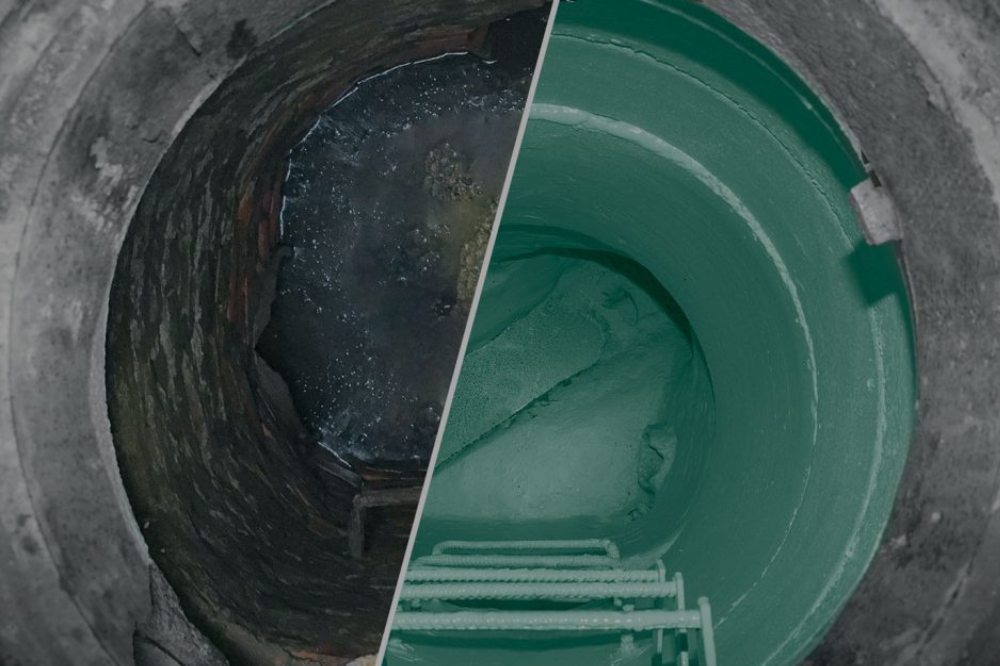
Geopolymer Spray Rehabilitation with GEOKRETE
Giving underground infrastructure a second life of more than 75 years



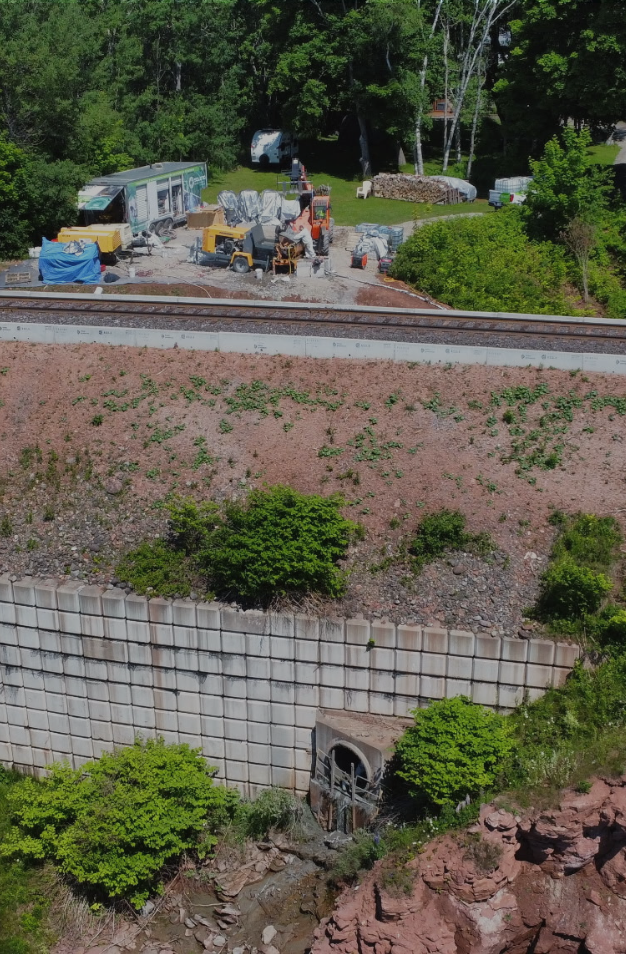
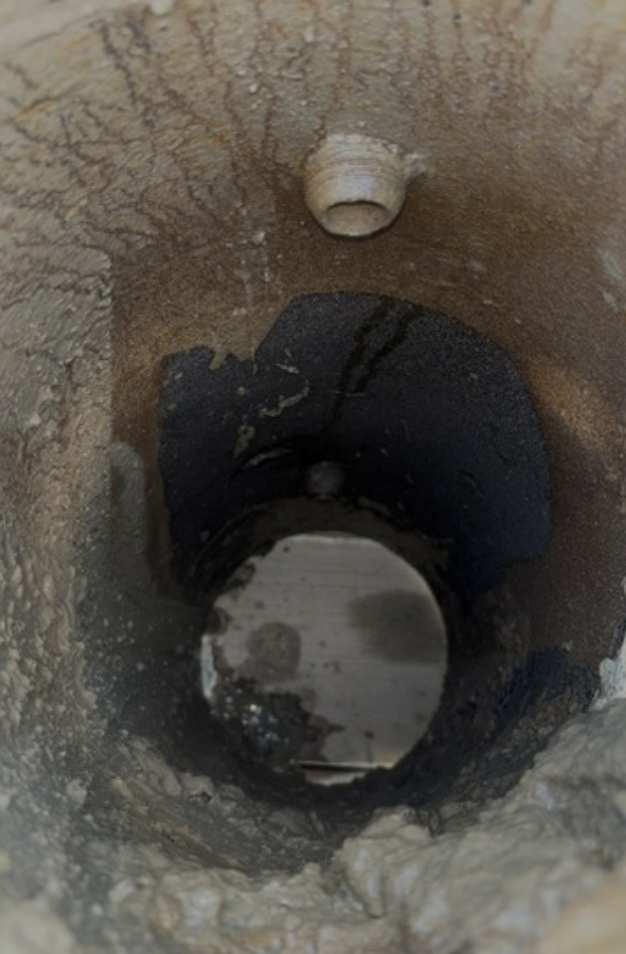
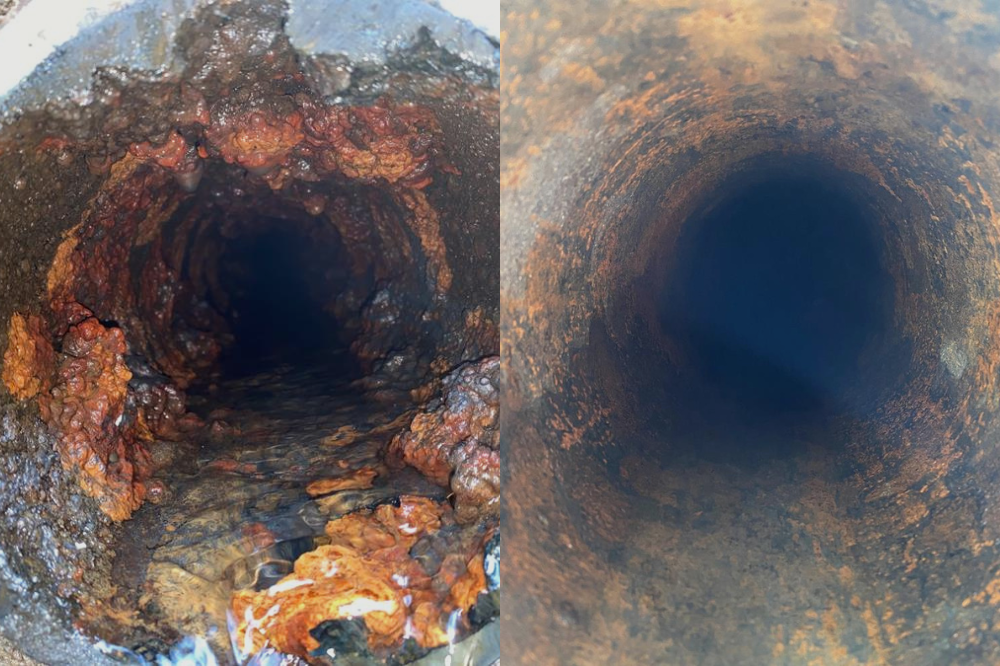
Aging infrastructure such as culverts, catch basins, manholes and pipes bring serious problems of parasitic water infiltration, structural loss, corrosion, abrasion and much more.
Contrary to what one might think, the solution is not always to come and replace the product. In fact, for several reasons, it may be advantageous to rehabilitate the existing infrastructure.
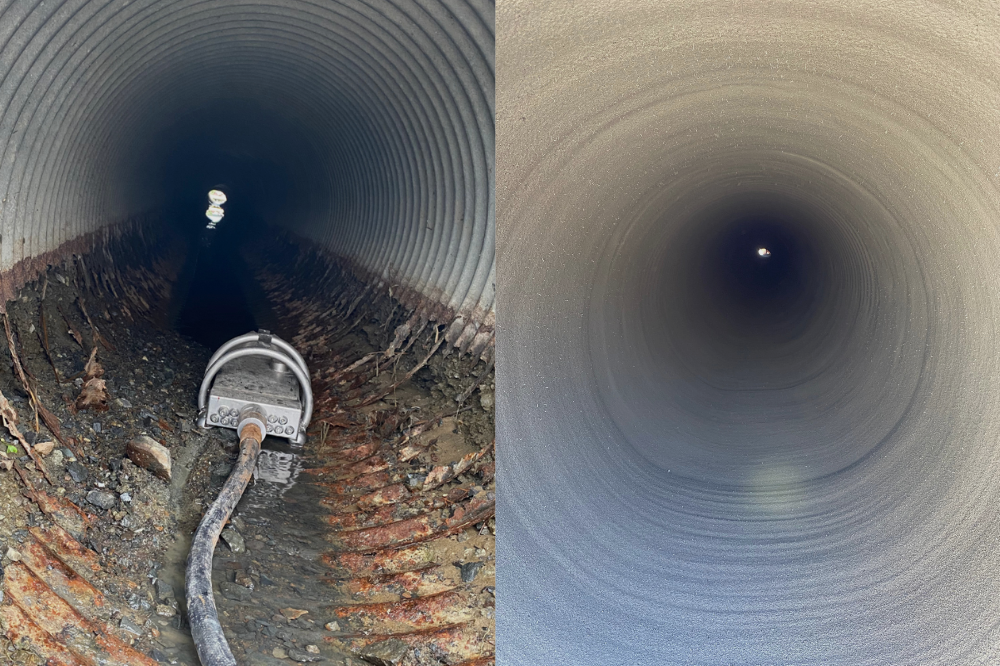
Rehabilitation makes it possible to restore the structural capacity of infrastructures at a fraction of the replacement cost, while reducing traffic management. Rehabilitation extends the useful life of these infrastructures by 75 years and does not usually require excavation.
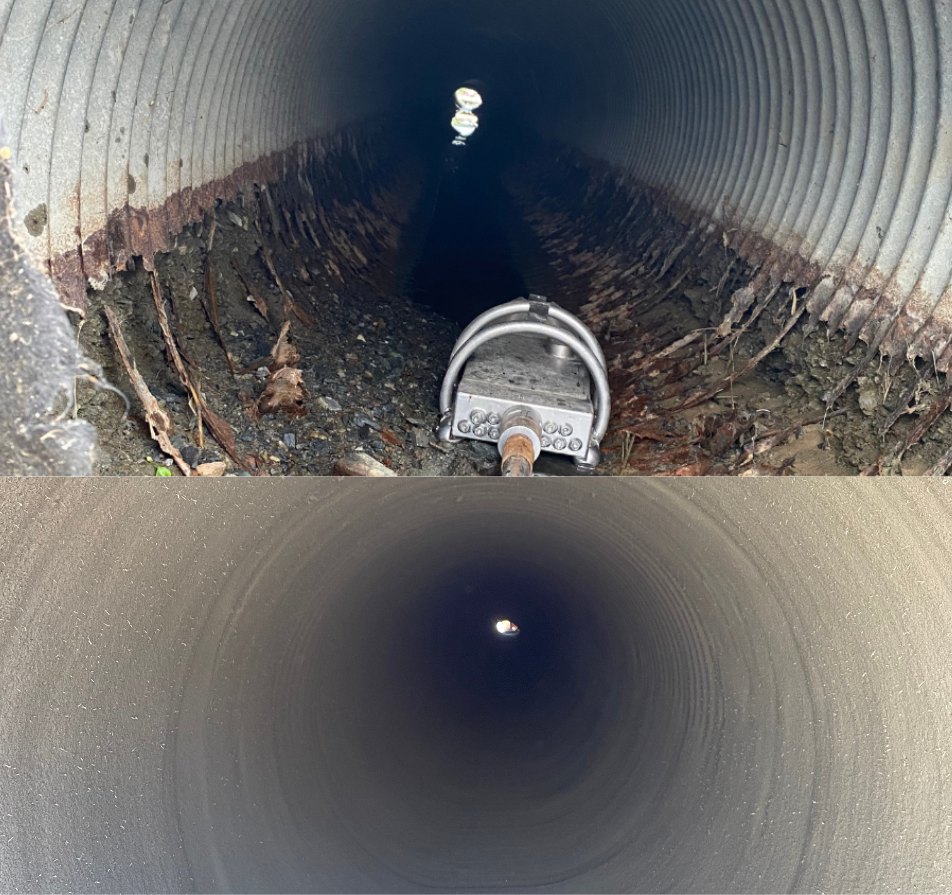
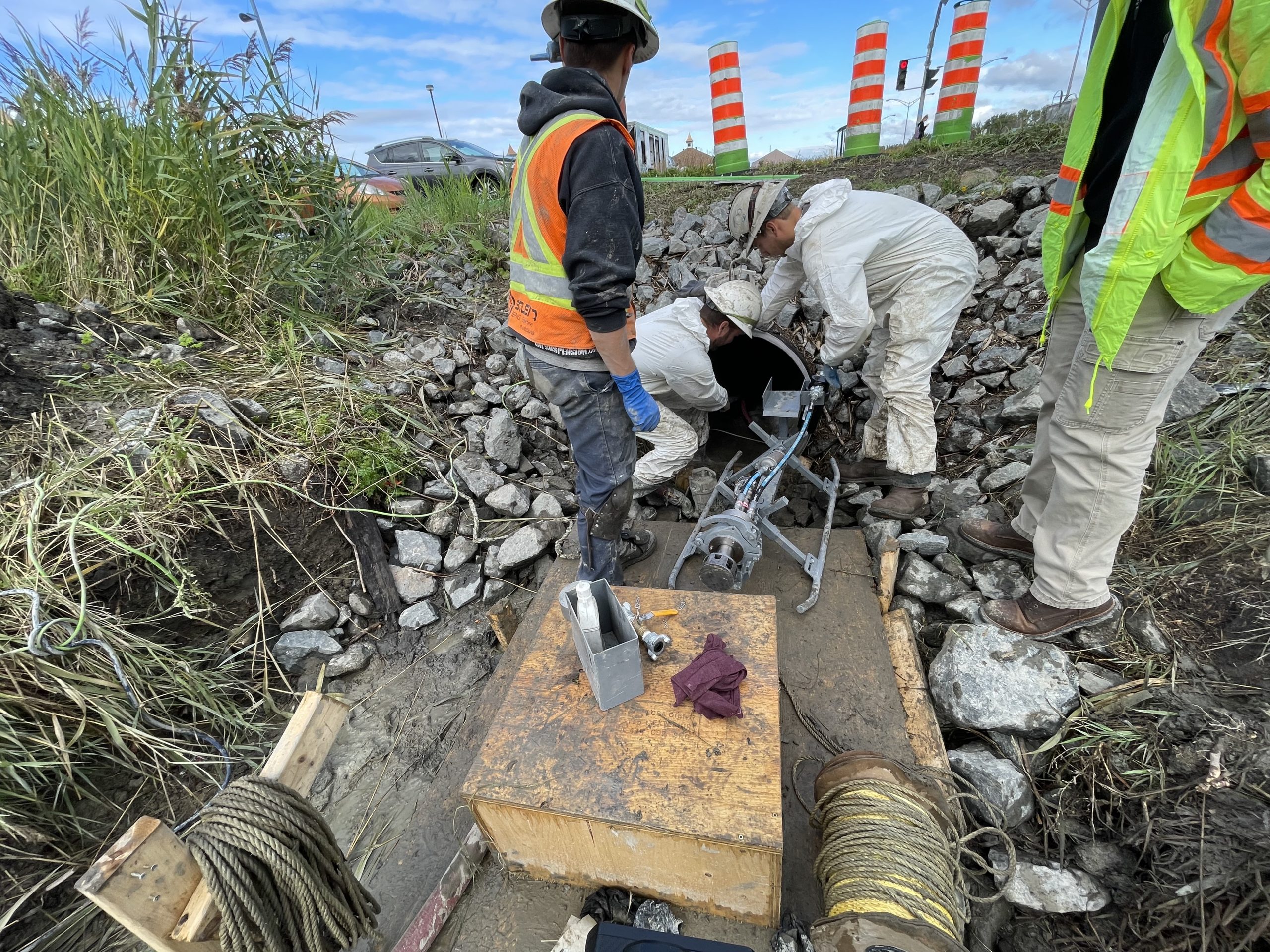
A proven solution for pipes, culverts, and large diameters.
The engineered designs allow the system to withstand all live, dead, and hydrostatic loads, enabling the pipe to fully regain its structural integrity.
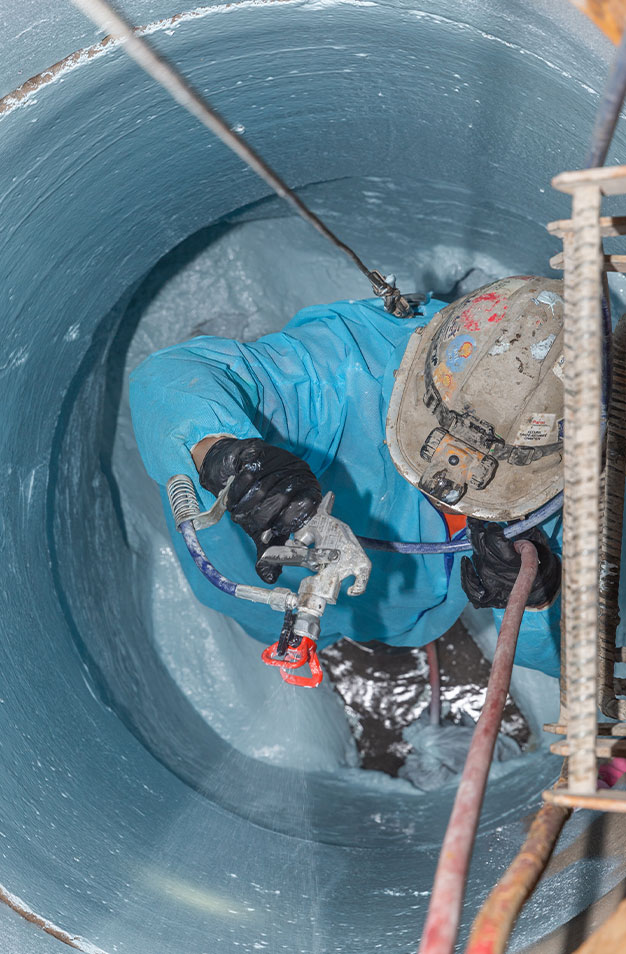
GEOKRETE is specifically designed for large-diameter rehabilitation. It combines the advantages of cementitious materials and polymer-based products—offering the appearance, texture, and application properties of a cementitious mortar, while providing corrosion resistance comparable to a polymer. Unlike polymers, GEOKRETE can be applied in a single layer up to 5 cm thick, creating a complete structural lining inside pipes, manholes, and other underground infrastructure. Over the long term, its specialized additives minimize degradation and extend the service life of the rehabilitated structure for up to 75 years.
When required—particularly when the pipe invert is severely deteriorated—an additional step can be included to rehabilitate the invert using a restoration mortar specifically designed for this purpose.
Rehabilitating large-diameter pipes with GEOKRETE spray-applied geopolymer provides many benefits over conventional replacement:
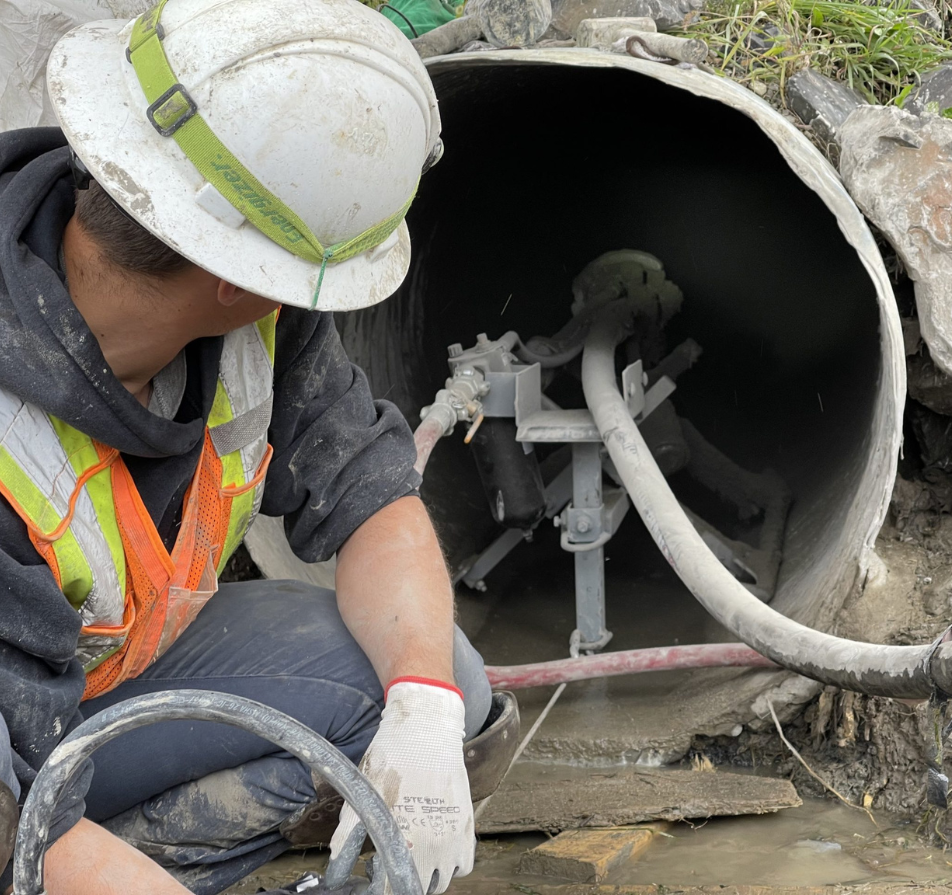
Better understanding Geopolymer Spray Rehabilitation
This process offers several significant advantages. It avoids excavation, minimizing surface disruption and costs related to traffic, labor, and restoration. Mortar spraying is also faster to implement than complete replacement and can extend the life of the infrastructure by several decades. Finally, this solution offers an excellent return on investment, while meeting the most stringent structural requirements.
When high-performance mortar is used—enriched with components such as corrosion inhibitors, quartz aggregates, and self-sealing additives—the additional service life can reach 75 years. This longevity depends on specific site conditions, but in most cases, it represents a sustainable and reliable long-term solution.
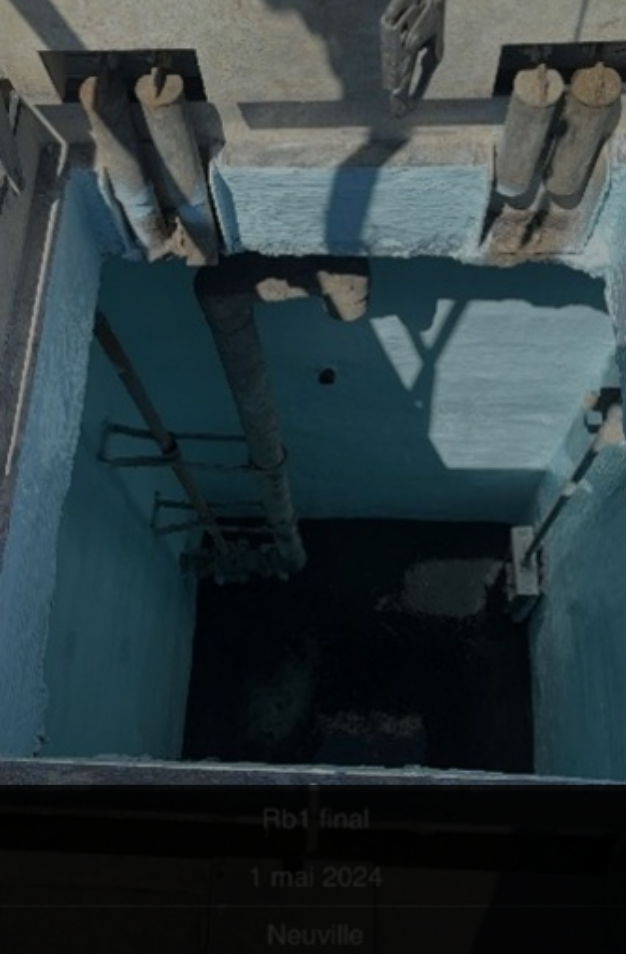
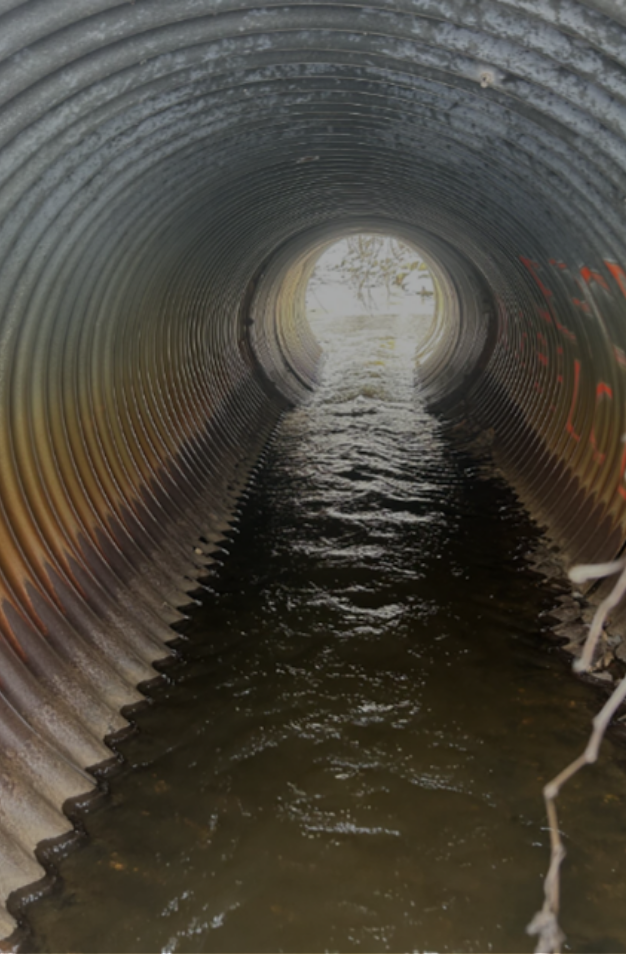
Mortar spraying is mainly used for large-diameter pipes, often exceeding 900 mm, as well as culverts, collectors, manholes, valve chambers, and other concrete, steel, or masonry structures that can be accessed. It is particularly effective in horizontal or slightly sloped structures where access is possible and where the dimensions allow for the use of spraying equipment.
Mortar spraying rehabilitation is recommended as soon as the infrastructure shows signs of deterioration: cracks, leaks, internal corrosion, or loss of structural capacity. It is also an excellent solution when replacement is too costly or complex to carry out, or when the impact on traffic or local residents must be minimized.
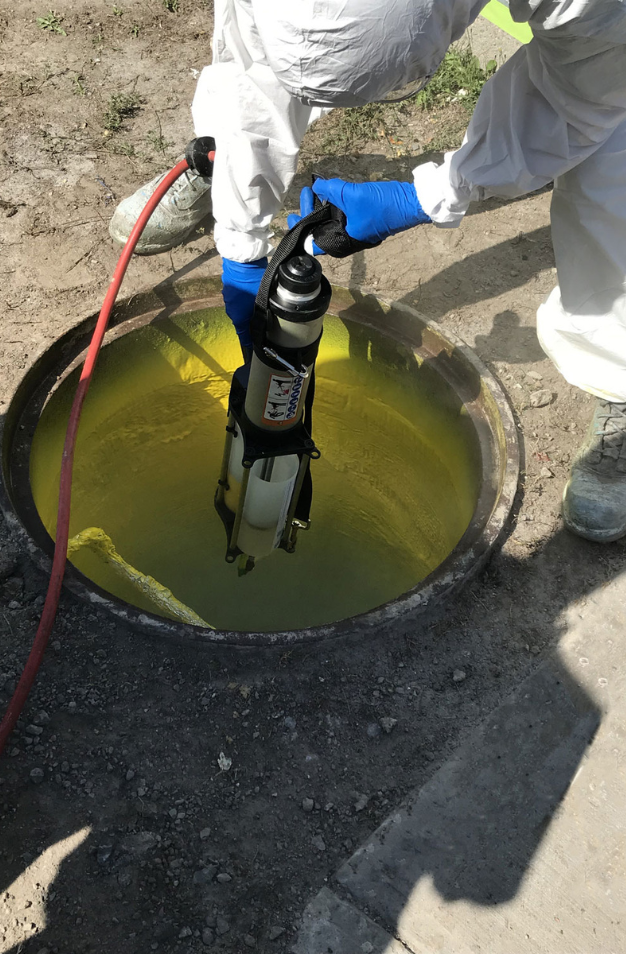
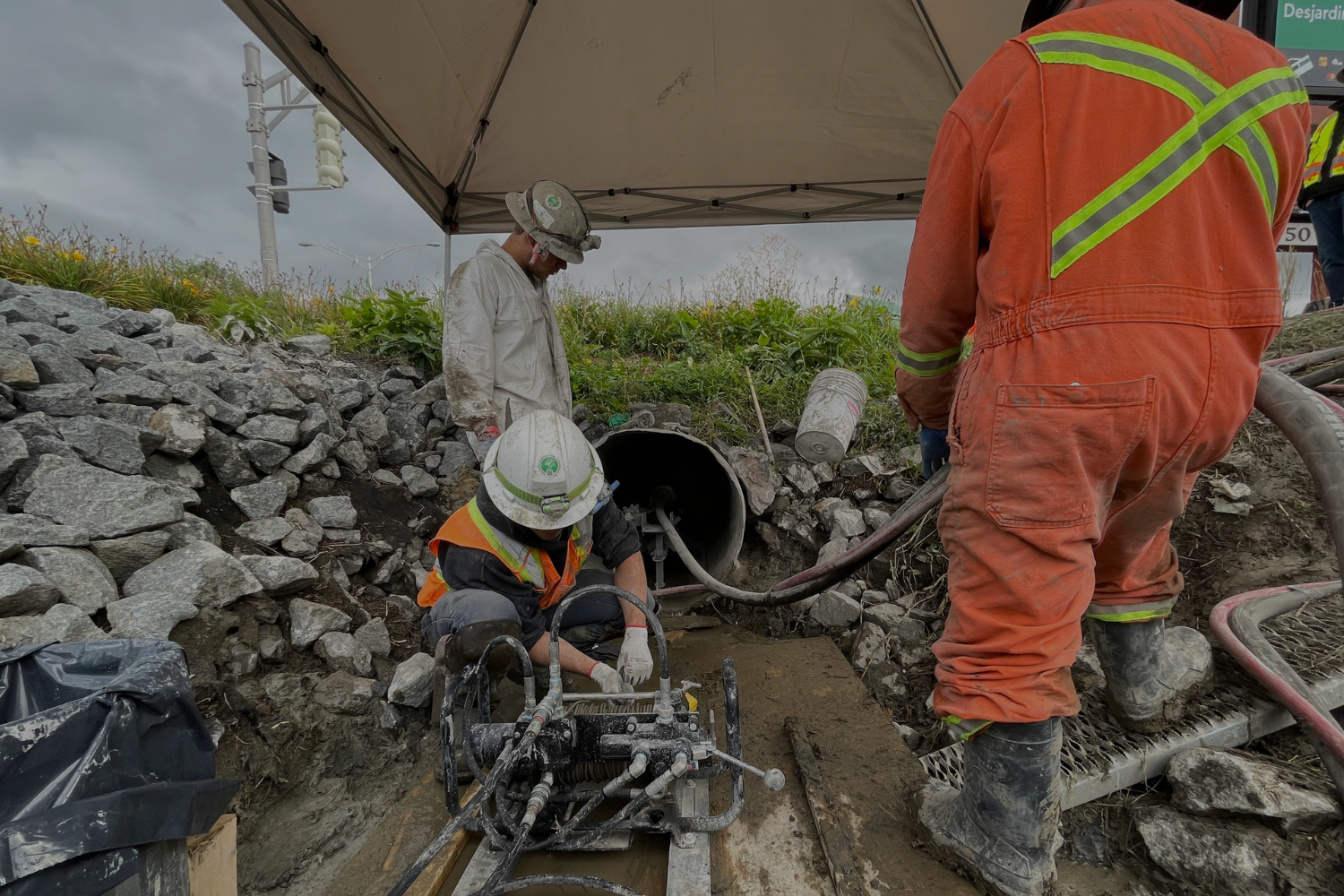
Rehabilitation generally begins with diverting or pumping out water to allow the structure to dry out completely. This is followed by thorough cleaning of the surfaces to remove deposits, contaminants, or residues. If the foundation slab is badly damaged, it can be re-profiled with a special mortar. A sealing and injection stage is then carried out to fill any cracks or voids. Finally, the mortar is sprayed in one or more layers, depending on the required thickness, with rigorous quality control monitoring until the structure is put back into service.
The mortar used is a high-performance Portland cement-based product. It is formulated with additives that increase its resistance to chemical and physical attack, such as corrosion inhibitors, quartz aggregates to improve wear resistance, and self-sealing components that increase durability in wet or aggressive conditions.
Comme toute solution technique, la projection de mortier comporte certaines limites. L’accessibilité de l’ouvrage est essentielle : il doit être possible de dériver les eaux et de faire entrer les équipements de projection. L’état de l’ouvrage peut aussi influencer la faisabilité : si la structure est trop détériorée, une réhabilitation partielle ou un renforcement préalable pourrait être nécessaire. Enfin, la compatibilité chimique entre le mortier et l’environnement du site doit être vérifiée pour garantir la durabilité de l’intervention.
The duration of the project depends on several factors, including the length and diameter of the structure, its initial condition, accessibility, and working conditions. However, one of the major advantages of this process is its speed compared to complete replacement, particularly due to the absence of excavation. Under favorable conditions, several dozen meters can be rehabilitated each day.
Non, l’impact sur la capacité hydraulique est minimal. Le mortier est appliqué en fine couche, selon une épaisseur calculée pour maintenir ou restaurer l’écoulement optimal. Dans certains cas, la réhabilitation peut même améliorer la performance hydraulique, notamment en lissant les parois internes de l’ouvrage.
Mortar spraying is often significantly more economical than complete replacement. By avoiding the costs of excavation, demolition, material transport, and surface repair, this solution allows for effective rehabilitation at a lower cost. However, as each project is unique, an accurate estimate is necessary to assess the actual savings.
Yes, depending on the project, guarantees are offered on materials and installation. Rigorous quality control is applied at every stage of the process, and reports can be provided upon completion of the work to document the compliance of the work with current standards.
Yes, in some cases, it is possible to maintain a low flow rate or divert the flow to allow the work to be carried out. However, careful water management is essential to ensure the quality of the mortar application and the safety of those involved.